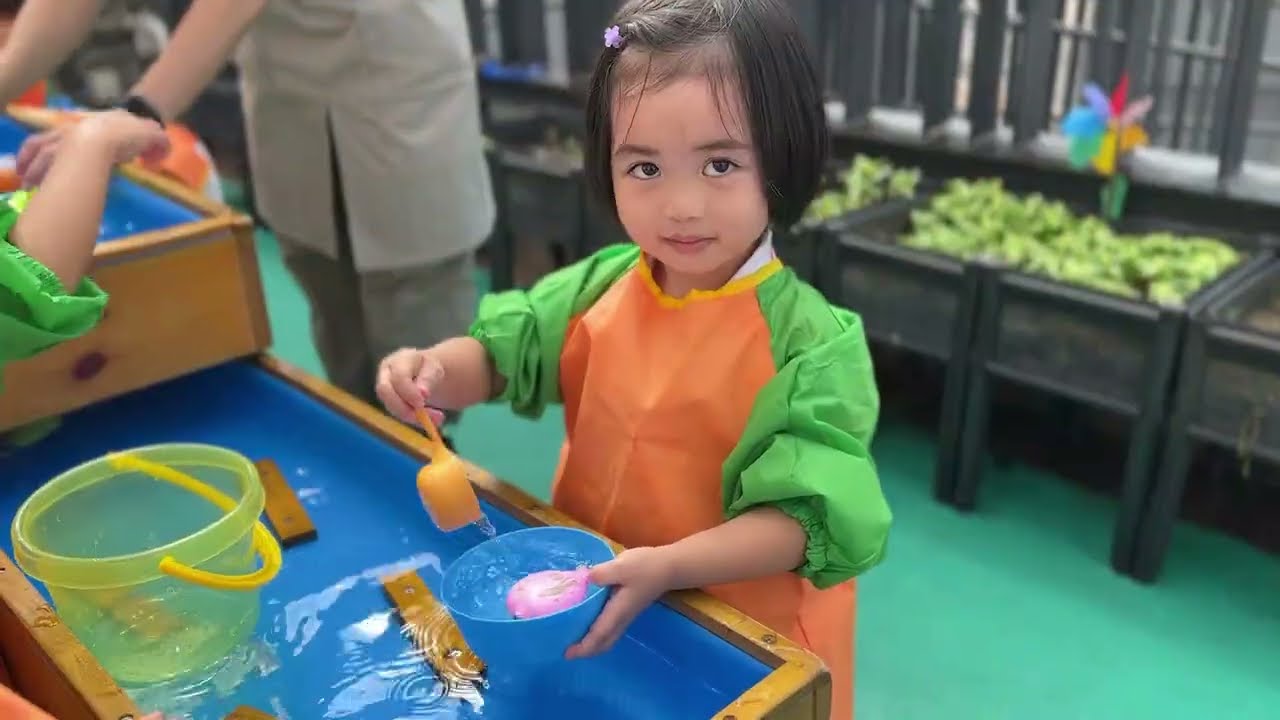
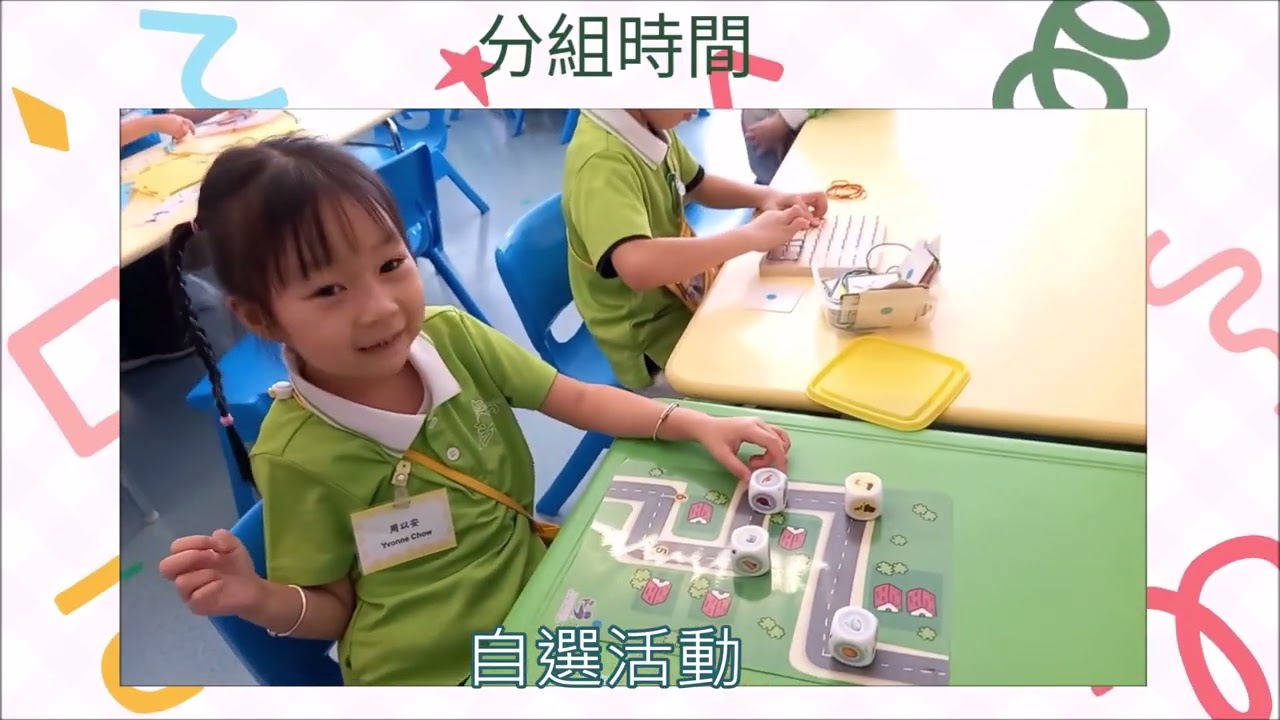
In line with holistic education encompassing spiritual, moral, intellectual, physical, social, and aesthetic development, a balanced curriculum is designed. Through inspiring teaching, children’s learning potential is unleashed. Teaching is integrated into every corner of the school, providing children with ample growth space.
Mid-Term Report Video
Playlist
3 Videos
9:44
10:57
6:36
Learning and Teaching
Teachers lead by example, establishing good moral role models for children.
Teachers educate with love, fostering good interactions between teachers and students, and among peers, promoting mutual respect and care.
Through daily morning meetings, children learn to appreciate and praise the beautiful creations of the Heavenly Father through poetry.
Religious education is integrated into daily classroom activities, allowing children to practice the true, good, and beautiful aspects of life education.
Through child-designed teaching, children develop creative thinking; they construct new knowledge during their learning journey, accumulating experiences and knowledge into wisdom.
The curriculum progresses from simple to complex, establishing a solid learning foundation, enabling smooth transition to primary school courses.
Through specialized teaching, interesting language environments are created for children to learn bilingual and trilingual skills through play.
The parent-child reading program fosters children’s interest in reading, enriching their imagination and enhancing language skills.
Regular training develops children’s endurance, concentration, and willpower.
Consistent disciplinary guidelines help young children establish good character, fostering persistence, self-respect, and self-discipline.
In line with curriculum development, various outdoor learning experiences are provided, giving children opportunities for hands-on experiences.
Through activities in physical education, music, art, dance, recitation, and writing, children appreciate and enjoy both Chinese and Western cultural arts.
Assessment Work
Integrating six learning areas: physical and health education, language, personal and social development, early childhood mathematics, nature and life, and arts and creativity, the three-year curriculum is strategically implemented. Through thematic learning, integrated modes, and learning through play, the goals of “moral development,” “cognitive and language development,” “physical development,” “emotional and social development,” and “aesthetic development” are achieved, promoting balanced development in all five areas.
Continuous observation, recording, analysis, and assessment are conducted based on each child’s developmental goals.
After completing each thematic learning unit, unit assessment reports are distributed.
Two summary assessment forms and observational analysis records are distributed throughout the academic year.